Blog ·
Protecting Your Auto Glass: Prevention and Maintenance Tips
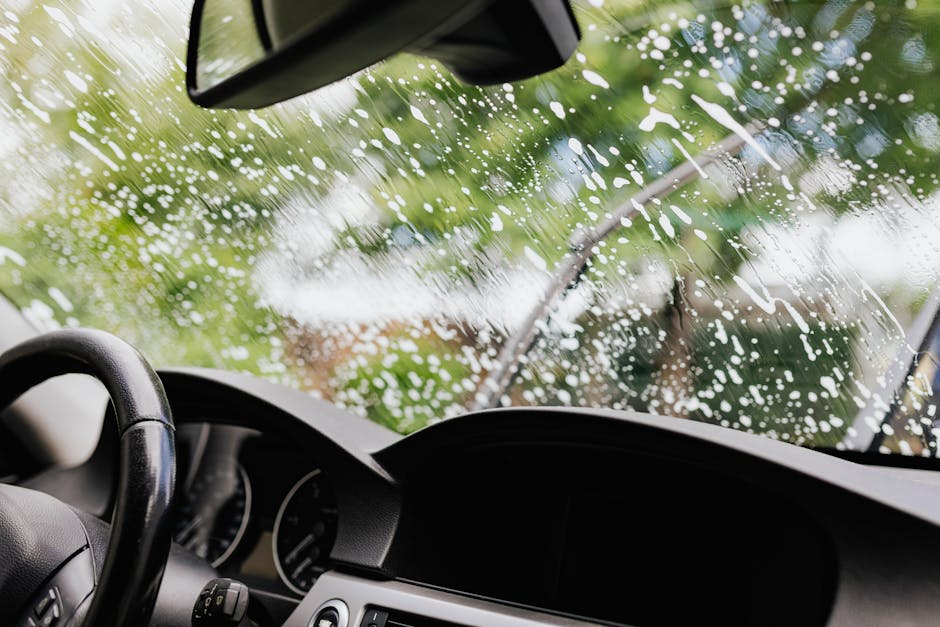
While professional repair and replacement services handle damage when it occurs, taking steps to protect your auto glass prevents costly repairs and keeps your vehicle safer. Simple prevention strategies and regular maintenance practices significantly reduce the likelihood of windshield and window damage.
Defensive Driving Habits
Your driving behavior directly impacts your auto glass safety. Maintain distance from trucks and construction vehicles that kick up debris. Following at least three seconds behind other vehicles gives you time to react if objects fall on the road. Avoid driving directly behind gravel trucks or vehicles carrying loose materials.
Watch for road hazards like potholes and debris. Taking roads at reasonable speeds reduces impact force if you hit something. During winter months, avoid sudden temperature changes that stress glass.
Protective Parking Practices
Where you park matters more than you might think. Avoid parking under trees with dead branches, which can fall unexpectedly. Keep your vehicle away from construction sites and areas where falling objects pose risks. When possible, use garage parking to shield your vehicle from weather extremes and falling debris.
During hail storms, sheltered parking prevents damage that would otherwise require full replacement. Covered parking also protects from intense sun exposure that causes stress to the glass edges.
Regular Glass Inspection
Check your windshield and windows monthly for small damage. Early detection allows for quick repair before chips spread into cracks. Look for:
- Small chips that appeared recently
- Hairline cracks developing in any direction
- Cloudiness or discoloration affecting visibility
- Water seeping around window edges
Proper Cleaning and Maintenance
Use appropriate glass cleaning products and soft materials to avoid scratching. Clean your windshield regularly to maintain visibility and identify new damage quickly. When cleaning, use even pressure and avoid abrasive materials that can create stress points in the glass.
Address damaged weatherstripping promptly. Worn seals allow water and debris to contact your glass and frame, leading to corrosion and damage that spreads to the windshield itself.
Temperature Protection
Extreme temperature swings stress auto glass significantly. In winter, avoid pouring hot water on frozen windshields. Use your vehicle's defroster gradually. In summer, park in shade when possible to prevent excessive heat buildup that stresses the glass.
Professional Inspections
During regular vehicle maintenance appointments, have professionals inspect your auto glass for structural issues, seal quality, and early damage signs. Professional eyes catch problems you might miss, allowing preventive action before damage worsens.
Taking these protective steps extends your glass lifespan and maintains your vehicle's safety and appearance. Prevention always proves more cost-effective than repair or replacement.