Blog ·
When to Repair or Replace Your Windshield: A Complete Guide
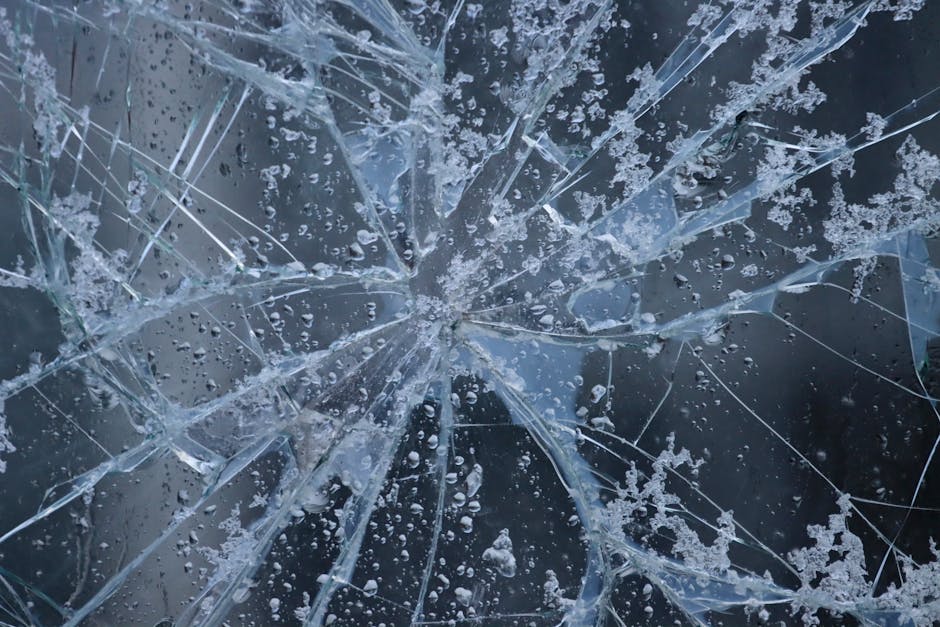
Your windshield protects you from wind, debris, and weather while maintaining the structural integrity of your vehicle. When damage occurs, deciding whether to repair or replace it depends on several factors that affect both safety and cost.
Understanding Windshield Damage Types
Not all windshield damage requires replacement. Chips are small pieces of glass missing from the surface, typically caused by rocks on the highway. Cracks range from hairline fractures to extensive spiderwebs across the glass. The location, size, and pattern of damage determine the best course of action.
When Repair is Possible
Professional repair works best for:
- Chips smaller than a quarter
- Cracks less than 12 inches long
- Damage outside the driver's direct line of sight
- Damage not affecting the vehicle's structural areas
Repair involves injecting specialized resin into the damaged area to restore strength and prevent further spreading. This solution preserves your original windshield while restoring clarity and safety.
When Replacement is Necessary
Replace your windshield if damage includes:
- Cracks longer than 12 inches
- Multiple cracks across the glass
- Chips larger than a quarter
- Damage in the driver's line of sight
- Damage along the edges where the windshield meets the frame
- Damage affecting the windshield's structural integrity
Edge damage and damage near the frame compromise the seal that keeps your windshield bonded to the vehicle. This affects safety during collisions and can lead to water leaks.
Safety Considerations
Your windshield contributes significantly to vehicle safety. It supports the roof during rollover accidents and helps deploy airbags properly. Damage that compromises structural integrity poses real safety risks to you and your passengers.
Additionally, damage in your direct line of sight reduces visibility and can contribute to accidents. Even small chips can distract or obstruct your view of the road.
Making the Right Choice
Professional assessment determines the best option for your situation. An expert evaluation considers damage size, location, pattern, and safety implications. Many insurance policies cover windshield repair or replacement with little or no out-of-pocket cost, making professional service accessible.
Acting quickly matters. Small chips spread into larger cracks when exposed to temperature changes, road vibrations, and pressure. Addressing damage early often means you can save your windshield through repair rather than requiring complete replacement.
Don't ignore windshield damage. Whether your situation requires precision repair or complete replacement, professional service ensures your vehicle remains safe and clear for the road ahead.